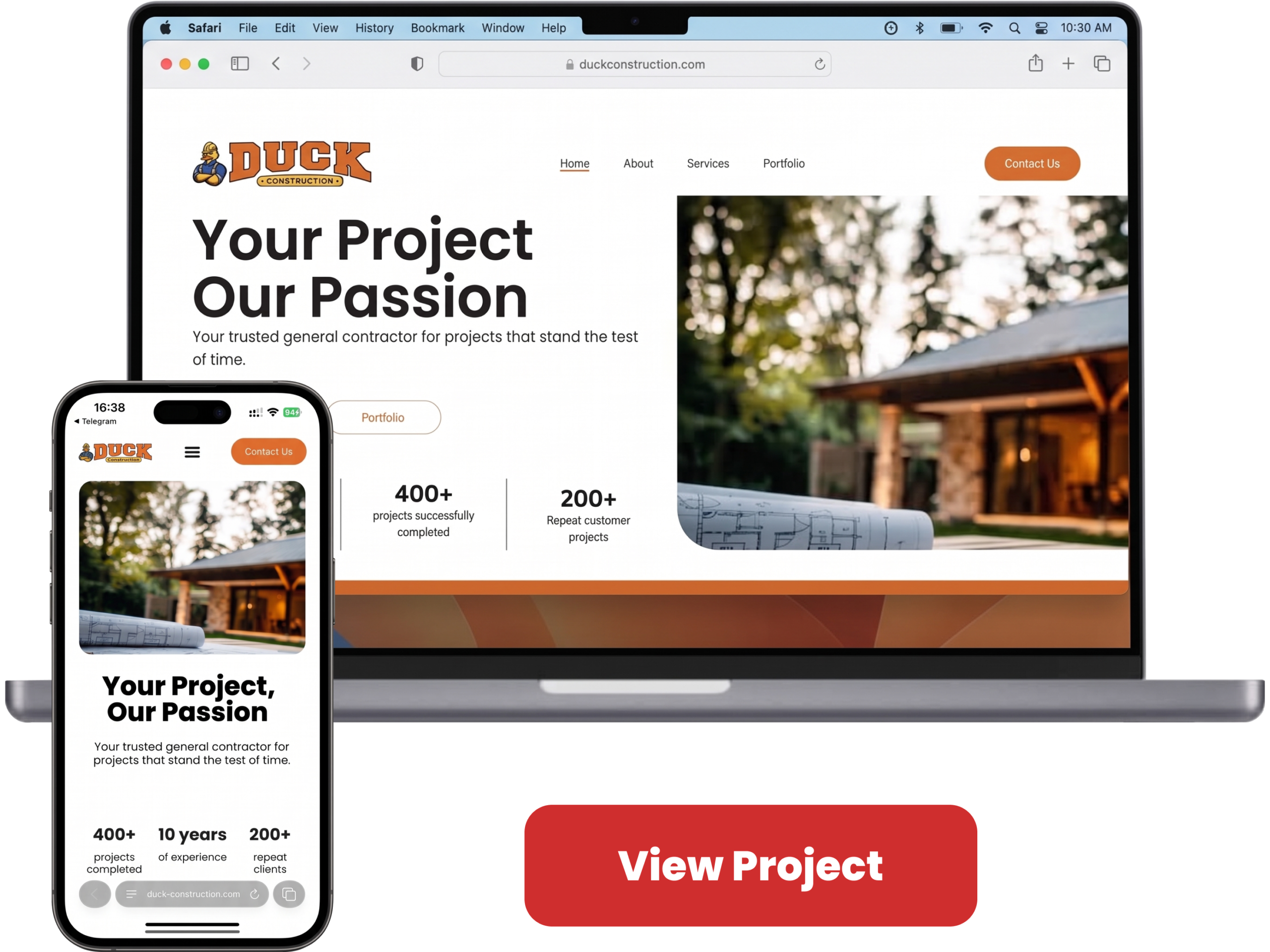

A web design agency should do more than make a website look polished. Before launch, the real question is whether the website can be found, trusted, used, tracked, and improved in the real world. At ITishniki, we look at the full project, not only the logo, homepage layout, or a few clean screenshots.
A new website is an investment. It should support the business, guide users through each page, and give the owner enough analytics to understand what happens after launch. Good website design is not just creativity or a few fun ideas. It is planning, SEO, development, testing, content, brand consistency, conversion-focused thinking, and clear next steps that help the owner manage the site with confidence.
Web Design Starts With the Business Behind the Website
Before web designers start building, the agency needs to understand what the website is supposed to do. A local service business, a contractor, an ecommerce store, and a professional services firm should not follow the same structure. The same applies when business owners hire freelancers or agencies in another country, where goals, budgets, timelines, and customer expectations may differ.
The first point is practical. Who is the audience? What are they trying to discover? What action should they take after reading the page? A strong website design process connects brand, services, search intent, cultural nuances, and user flow before the visual work gets too detailed.
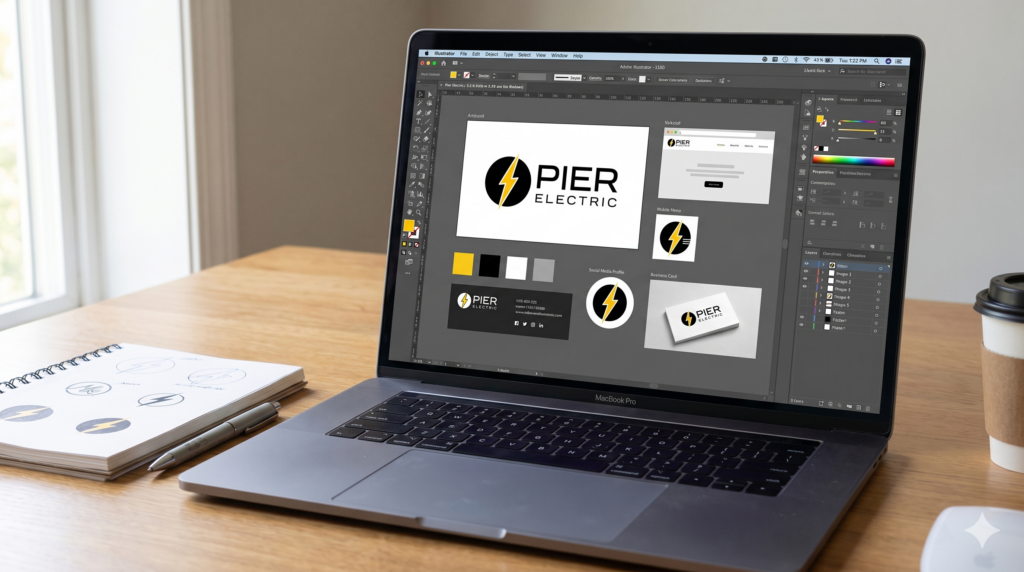
The logo matters, of course. But the logo is not the whole brand. It needs to work in the header, mobile menu, footer, social platforms, and sometimes print materials. If the logo only looks good on a wide desktop mockup, it is not ready. The agency should check logo size, contrast, spacing, file quality, and placement across the site, including how it appears when displaying the brand on smaller screens.
The content needs the same care. Each page should have a clear purpose. Service pages need plain explanations. Local pages need useful details for the community. Contact pages need trust signals, not vague promises, unsupported free offers, or claims the business cannot actually support. A homepage needs to help customers understand the business without making them work too hard.
SEO Services Should Be Built In Before Launch
SEO services should not begin after the website goes live. By then, the structure may already be working against search visibility.
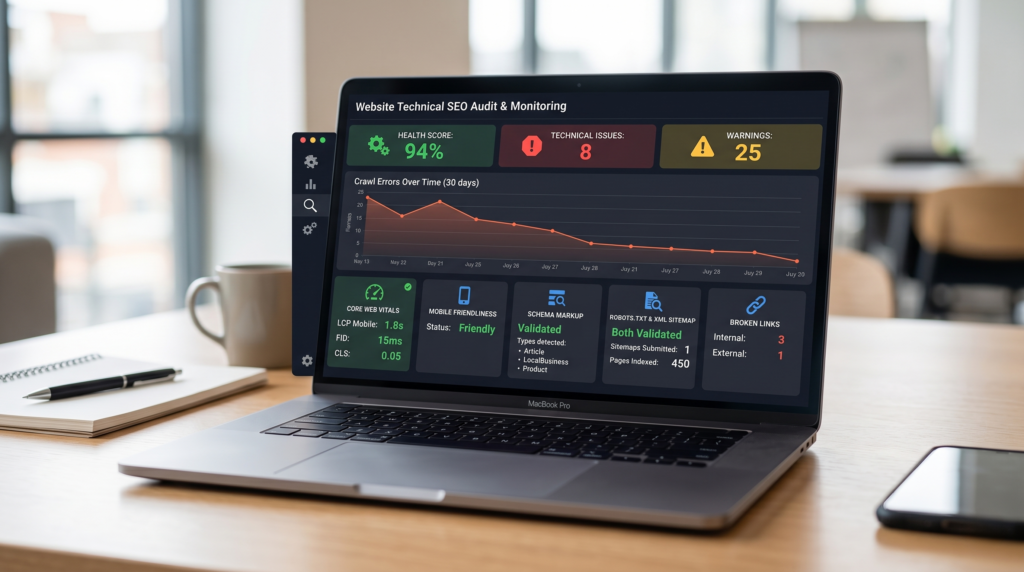
Before launch, SEO needs a proper check. Not a quick glance.1 The SEO review should be practical and complete. Are the keywords clear? Are title tags and meta descriptions set? Do the headings make sense? Are image alt text, internal links, clean URLs, and crawlability handled properly? On-page SEO helps search engines understand each page. Technical SEO supports the deeper structure: speed, mobile performance, and crawler access.
This is where website design and development support becomes important. A developer may handle performance, code, forms, and platform setup. Designers may shape the visual experience. SEO specialists should make sure the page can compete in search. If these roles work separately, the website can look finished but still miss basic SEO requirements, especially when no one is responsible for reviewing feedback before launch.
Ethical SEO matters too. White Hat SEO avoids hidden content, manipulative paid links, and shortcuts that can lead to penalties. A client should understand which strategies are being used, what to expect from the work, and how progress will be measured.
Local SEO Needs Real Local Relevance
Local SEO is often treated too lightly. Adding a city name to a page is not enough. A useful local SEO page should speak to the area, the service, and the customers who are actually searching.
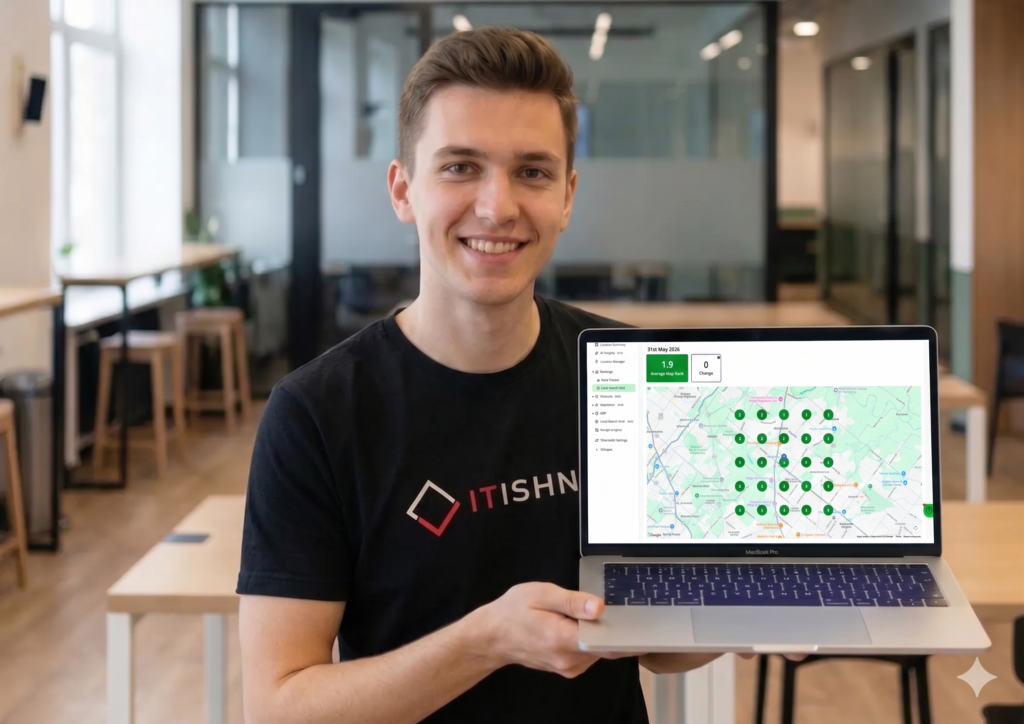
Creating unique, locally relevant website content helps target specific service areas and communities. That can improve local search visibility because the page becomes more useful for people in that location. Directory consistency is part of local SEO too. A business’s name, address, phone number, categories, and services should match across major listings. If that information changes from one place to another, it can weaken trust. If it stays consistent, it supports local authority.
Local SEO also has to reflect the way people search in that specific market. Cultural nuances, competitors, language habits, and customer expectations can all affect the page. English SEO content may need a different strategy than content written for another language or region. A good agency does not guess. It reviews competitors, keywords, and search behavior first.
Social media can support the same goal from another angle. It can help content reach more people, drive engagement, and keep the brand visible locally. It is not a replacement for SEO, but it can keep the business active in the community.
Google Analytics and Tracking Should Be Ready From Day One
A website without tracking is hard to improve. Before launch, the agency should set up Google Analytics or another analytics platform, then confirm that important actions are being recorded. The owner should also know where to log in, what reports matter, and who will manage the data after launch.
That may include form submissions, phone clicks, quote requests, contact buttons, newsletter signups, and campaign traffic. The owner should not have to guess whether website traffic is useful. The account should show where users came from, which page they visited, what action they took, and whether the conversion rate is moving in the right direction.
Tracking also needs to separate organic traffic, PPC campaigns, social media campaigns, direct traffic, and referral traffic. Without that separation, the team may spend money on the wrong improvements.
Launch area | What to check | Numeric detail |
SEO timeline | Early movement from SEO work | 3 to 6 months |
SEO growth window | Larger progress may take longer | 6 to 12+ months |
Organic traffic | Possible increase with effective SEO strategies | up to 200% within a year |
ROI likelihood | Companies prioritizing SEO vs. those that do not | 13 times more likely |
Tracking | Forms, calls, clicks, campaigns, analytics | 1 complete setup before launch |
Web Designers Should Test the Full User Path
Web designers should not stop once the mockup looks good. The real test is how the website works for a person who has never seen the brand before.
Can users understand the service quickly? Does the mobile version feel natural? Is the contact form easy to find? Does the logo link back to the homepage? Are buttons clear without sounding pushy? Is there a clear sign of trust before users make a decision? Does each page give customers a reason to keep moving?
This is where clear conversion paths matter. A page should guide users toward a logical next step: request a quote, call, read a service page, explore examples, or learn more about the business. Those steps should feel natural, not forced, because people rarely hire a company after reading one sentence or clicking one button.
A website can look attractive and still fail if users feel unsure. Good designers think beyond colors and layout. They consider how people scan, compare, hesitate, and decide. That is where design, content, SEO, and development need to work together, especially when the website design has to support both trust and action.
Why a New Website Can Still Underperform After Launch
A fresh redesign does not guarantee better rankings, traffic, or revenue. Sometimes a new website looks more modern but performs worse because the project skipped SEO, tracking, local content, internal links, or conversion planning.
That is why a new website can still underperform after launch. The problem is often not one dramatic mistake. It is usually a pile of small problems rather than one big one. Keywords are weak. Pages are slow. Service copy does not say enough. Analytics are missing. Mobile testing is rushed. Calls to action are unclear. Ongoing SEO services are not planned. The site may also lack carefully crafted service pages that explain why customers should trust the business.
PPC can bring quick traffic, and that can be helpful. But it is not a long-term replacement for SEO.2 Paid platforms stop producing once the budget stops. SEO can build steadier visibility over time when the site is optimized, technically clean, and consistently improved.
Competitor checks can also point the way forward. If others in the industry rank well, their keywords, content structure, and link profile may show where the opportunity is. That does not mean copying them. It means understanding the competition and finding a better angle, especially before business owners hire a team to rebuild the site.
What the Agency Should Deliver Before Launch
Before launch, the agency should deliver more than files and visuals. The client should understand the logic behind the website, the choices that shaped it, and the plan for keeping it useful after it goes live.
A solid handoff should include tested desktop and mobile pages, SEO titles and descriptions, optimized headings, local SEO checks, analytics setup, form testing, a basic technical SEO review, logo and brand checks, a free checklist of launch priorities if the agency provides one, and a roadmap for improvements.
Reporting should also be meaningful. Not just rankings. Not just charts. The client needs insight into whether the strategy is improving visibility, bringing better traffic, attracting more qualified customers, and helping conversions move in the right direction. It should also include practical feedback, not just data exported from a dashboard.
A good agency does not disappear at launch. Launch is when the site starts meeting the real market.
FAQ
What should a web design agency check before launch?
A web design agency should check mobile performance, SEO, page structure, content, forms, tracking, logo use, speed, and conversion flow before the website goes live.
Should SEO services start before the website is launched?
Yes. SEO services should start before launch because keywords, headings, URLs, internal links, metadata, and technical SEO are easier to build correctly from the start.
Why do web designers need to understand local SEO?
Web designers need local SEO context because local pages, service areas, directories, and search behavior affect how customers discover the business online.
Is Google Analytics enough for website tracking?
Google Analytics is a strong base, but the setup should also track forms, calls, buttons, campaigns, and other actions that show whether users are converting.
Why does the logo need to be tested before launch?
The logo should be checked across desktop, mobile, footer, header, favicon, and social platforms. A logo that looks good in one place may not work everywhere.
Can PPC campaigns replace SEO?
No. PPC campaigns can bring fast traffic, but SEO supports long-term visibility and organic search growth without ongoing ad spend for every click.
How long does SEO usually take to show results?
Initial SEO movement can appear within 3 to 6 months. Larger progress may take 6 to 12 months or longer, depending on competition, site health, and strategy.
What makes a website launch successful?
A successful launch means the website is searchable, trackable, mobile-ready, technically clean, brand-consistent, and built around clear user actions.

Ник Курков — владелец iТишники
6 лет опыта в разработке веб-сайтов и улучшении SEO для компаний, добившихся значительного роста.