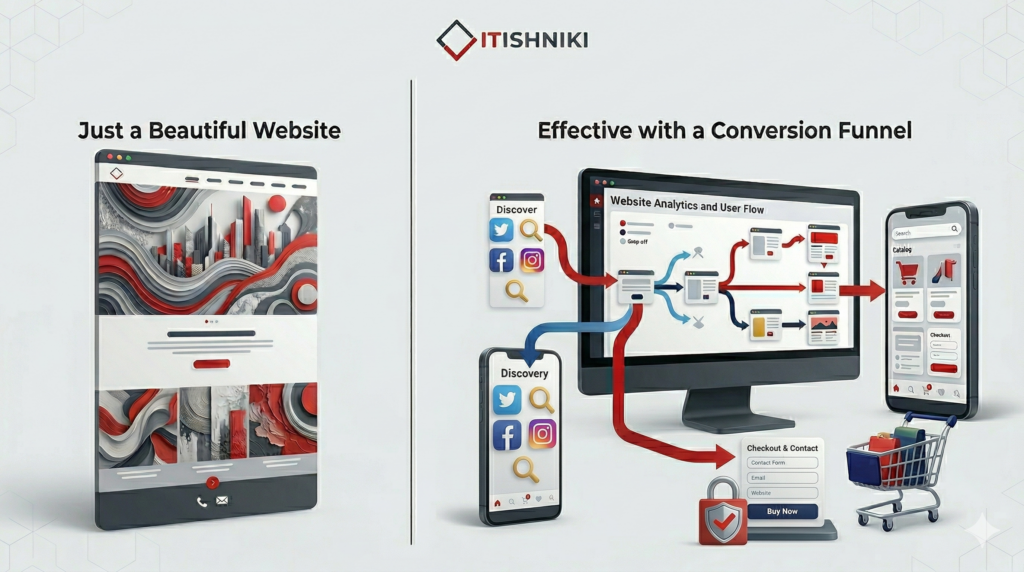
Website design conversion paths are the difference between a site that looks impressive and a site that actually brings in leads. A polished homepage, modern typography, and clean aesthetics can improve first impressions, but they do not automatically move users toward action. At ITishniki, we often work with businesses that already have a polished-looking website but still need a clearer path from traffic to calls, form submissions, or booked consultations.
The issue usually is not effort. It is structure.
Why Your Web Hosting Service Matters More Than You Think
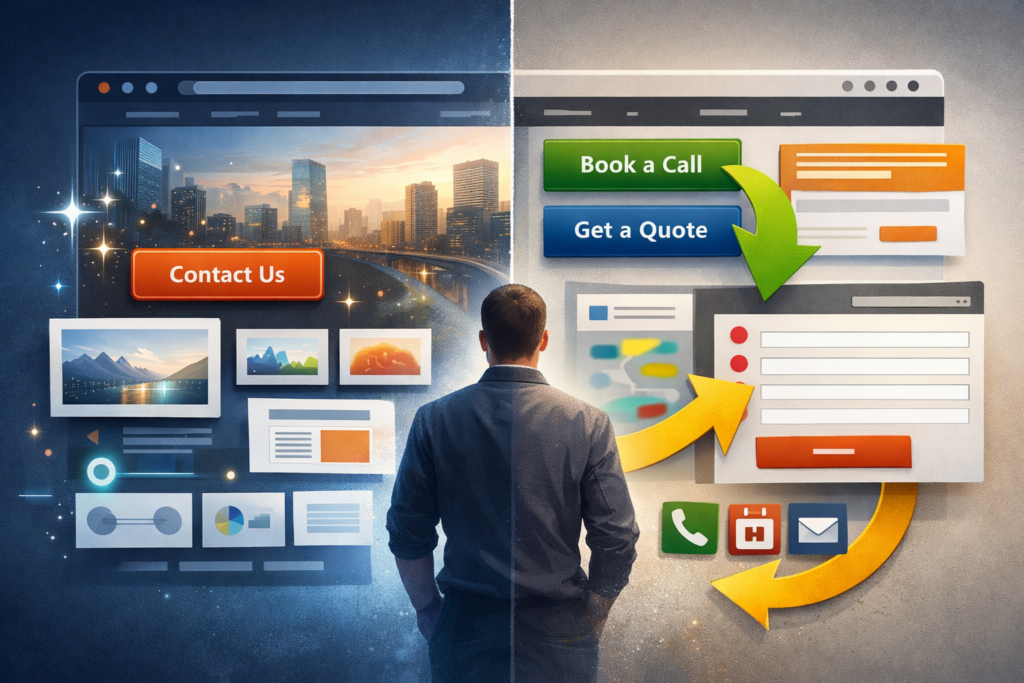
Website Design Is Not the Same as Conversion Design
A lot of web design starts with visual appeal. That makes sense in an online world where users judge credibility fast. Brand identity matters. Logo treatment matters. Visual style matters. Layout matters. Good web design should feel professional, polished, easy to trust, and strong on accessibility across desktop, mobile, and app contexts. That also means readable typography, strong contrast, and visual hierarchy that makes the most important elements easy to spot. But if the website only focuses on looks, users may enjoy browsing without knowing what to do next.
That is where many web designers and even a capable web design company can miss the mark. They create a beautiful site with strong colors, refined typography, and custom pages, but they fail to build a path. Without clear direction, the audience lands on the website, scrolls a little, and leaves.
A website should not feel like a digital brochure sitting online. It should guide users through a clear process. Every page should create movement from interest to action. That may mean contacting the business, requesting a quote, scheduling a call, exploring a service page, or moving to a related blog post that answers the next question. When that flow is missing, even strong web design starts to underperform. In most cases, that flow depends on custom structure, optimized page hierarchy, and enough detail to keep users moving.
Web Design Should Answer the Next Question
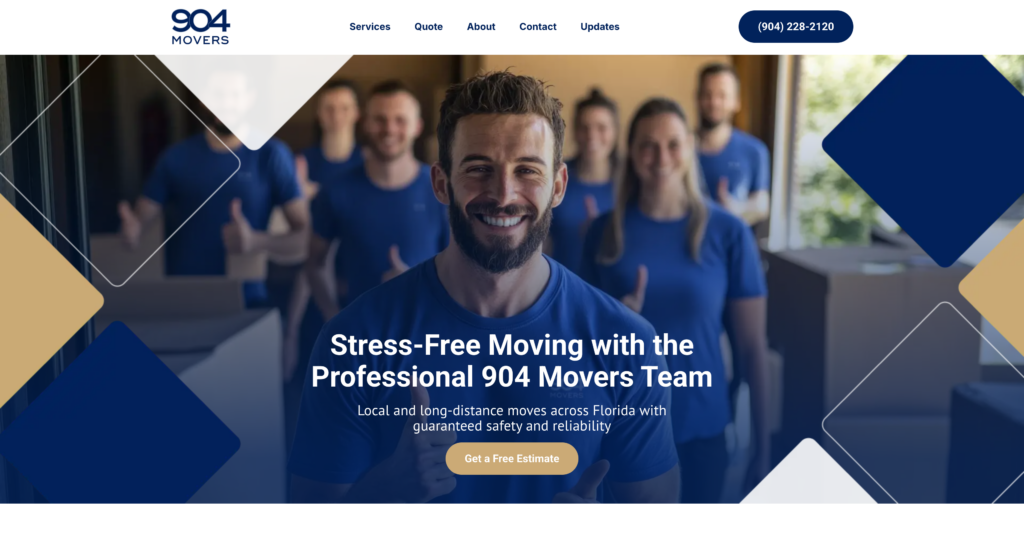
People rarely land on a site ready to buy the second it loads. A real person arrives with questions, not abstract ideas. What does this business do? Is it relevant to my situation? Can I trust these people? What should I click next? The point is to help users discover answers in the right order instead of making them work for basic clarity.
Good website design answers those questions in order. Great web designers think beyond aesthetics and focus on how users move across pages. The best designers build around behavior, not just inspiration.
This is why conversion paths matter so much. A homepage should connect naturally to service pages. Service pages should connect to trust-building content, examples, blog resources, or contact actions. Navigation should feel obvious on desktop and mobile devices alike, with a main menu that stays focused instead of overwhelming users with too many options. The layout should create momentum instead of friction, and users should never have to guess where to click next.
That is also where website design and development services become more valuable than design alone. Design and development need to work together. The visuals bring clarity to the brand, while the structure supports functionality, SEO, user flow, and technical decisions such as choosing the right hosting setup for a small business when site speed and reliability affect performance.
Visual Appeal Can Hide Structural Problems
A site can win compliments and still fail as a business tool, especially when website design is treated as surface polish instead of business infrastructure.
This happens when pages are full of strong visuals but weak decisions. A headline may sound clever but say very little. Buttons may look nice but compete with each other. Important services may be buried below vague messaging. Templates may look modern but fail to fit the actual audience.
A lot of problems start when companies depend too heavily on website builders, WordPress setups, or pre-made templates. Those tools can be helpful, especially for simpler projects, but many platforms push businesses into the same generic layout habits. They also encourage the same image blocks, video sections, and app-like modules even when the audience does not need them. And once that happens, quality usually gets sacrificed in the places where custom decisions actually matter, often with teams compromising quality just to launch faster. A WordPress site can still work well, but a WordPress theme is not the same as custom web design. https://wordpress.org/40-percent-of-web/
A professional web designer’s job is not just to arrange content on a screen. The real work is deciding what users should notice first, how the brand should speak online, and how each page should serve a business purpose. Good designers determine priorities, manage detail, collect feedback, and implement ideas in a way a developer can actually build. That is a very different kind of thinking from selecting a template and calling the site finished, and it is one reason companies should hire for judgment, not just taste.
The strongest web design work usually comes from designers who understand what users are doing before they ever click on the site. They understand search behavior, the industry they serve, marketing, and the way people make decisions once they arrive. That does not mean every page needs to push for a sale. It means the site should be built around real user needs, so the business does not keep wasting money on traffic that never converts.
That matters because a visitor from Google may land on a service page first, not the homepage. The same thing happens with traffic from Google Business Profile, local search results, or supporting pages. If that page does not explain the offer clearly, establish trust, and make the next step easy to find, the traffic often goes nowhere. Fast load time matters here too, because slow pages create friction early, and a faster site can make a real difference in whether users stay engaged. https://www.sba.gov/blog/10-things-savvy-online-marketers-do-get-web-traffic The website may still look sharp, but that is not the same as real effectiveness.
That is why experienced designers use Google Analytics, heatmaps, SEO data, and other tools when shaping a site. They look at where visitors enter, where they drop off, and which pages are actually helping the business generate action. They review layout choices, button placement, internal links, content hierarchy, and developer constraints as part of the process. The result is web design grounded in real behavior rather than guesswork, with analytics used to improve performance instead of simply decorating reports.
For many companies, this is also the moment they realize they do not just need prettier pages. They need a smarter digital presence, a clearer development process, and an agency that can connect design choices to business goals.
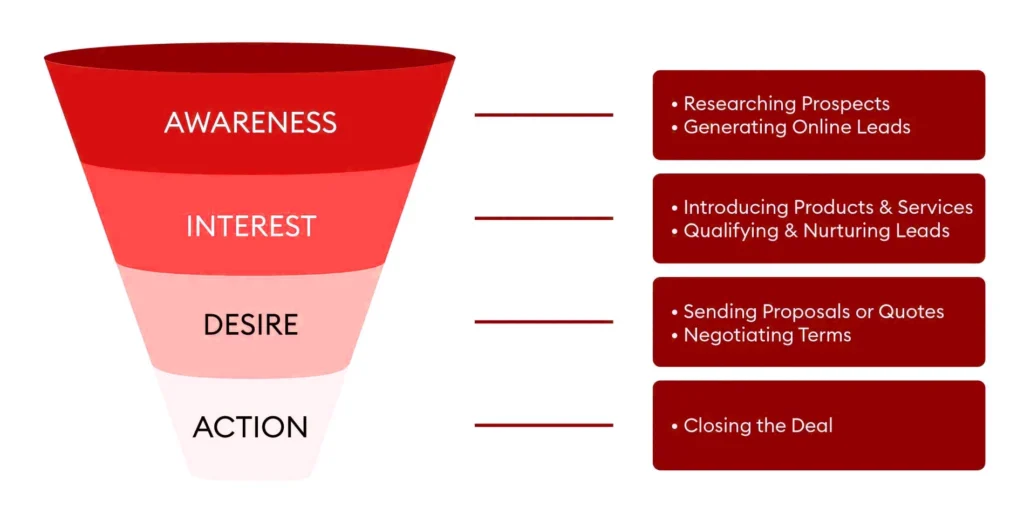
When a business starts comparing agencies, portfolios often dominate the conversation. That is understandable. Examples matter. Past projects reveal taste, range, and technical skill. But a site should be judged by more than aesthetics. A strong agency should also explain structure, priorities, and how the work will support growth after launch.
A serious web design company should be able to explain how the website will support SEO, brand clarity, development priorities, conversions, and supporting efforts such as link building for small business that strengthen long-term search visibility. It should be able to show how the site structure helps users move. It should also understand that different industries need different flows. A local service business, a SaaS company, and an ecommerce brand do not need the same pages or the same calls to action.
That is where stronger branding across the website also becomes important. Brand consistency is not just about colors and logos. It helps users connect the message, the visuals, and the offer. When branding is scattered, the site feels less trustworthy. When the brand is clear across pages, users are more likely to stay engaged.
A common problem appears right after launch. The website is live, the team is excited, and the visuals feel fresh. Then the numbers stay flat.
Usually, the site was built as a design project instead of a business asset. The pages look good, but the structure does not support search visibility, user intent, or next-step actions. There may be too many pages with too little purpose. Or the opposite: too few pages to address what users actually search for or give visitors access to the right information. In that case, the original design investment stops looking like a smart one.
This is where web design, SEO, and development stop being separate conversations. They have to support each other. Search brings users in. Design keeps them engaged. Development supports speed, responsiveness, and functionality. Brand messaging creates trust. Conversion paths turn attention into action.
Without that alignment, a website becomes expensive decoration.
What Better Website Design Actually Looks Like
Better website design usually feels simpler, not louder. It is easier to scan. The layout supports real priorities. The pages speak clearly. The calls to action do not compete. Users know where to go next. The result is more appealing, more professional, and more aligned with how people actually use a website online.
In practice, that often means fewer distractions, stronger hierarchy, more intentional internal links, and content written for the audience instead of for the design mockup. It may also mean reworking service pages, improving mobile performance, reducing unnecessary app-like effects, removing oversized images or autoplay videos, and choosing tools that keep the website optimized without slowing it down.
The point is not to create a flashy online experience for the sake of it. The point is to create a website that helps the business grow.
That is why companies that want results often end up revisiting the basics. They ask whether the site reflects the brand, whether users understand the offer, whether the tools and platform still fit the project, whether the agency relationship still works, and whether the current structure supports SEO, development, and conversion goals.
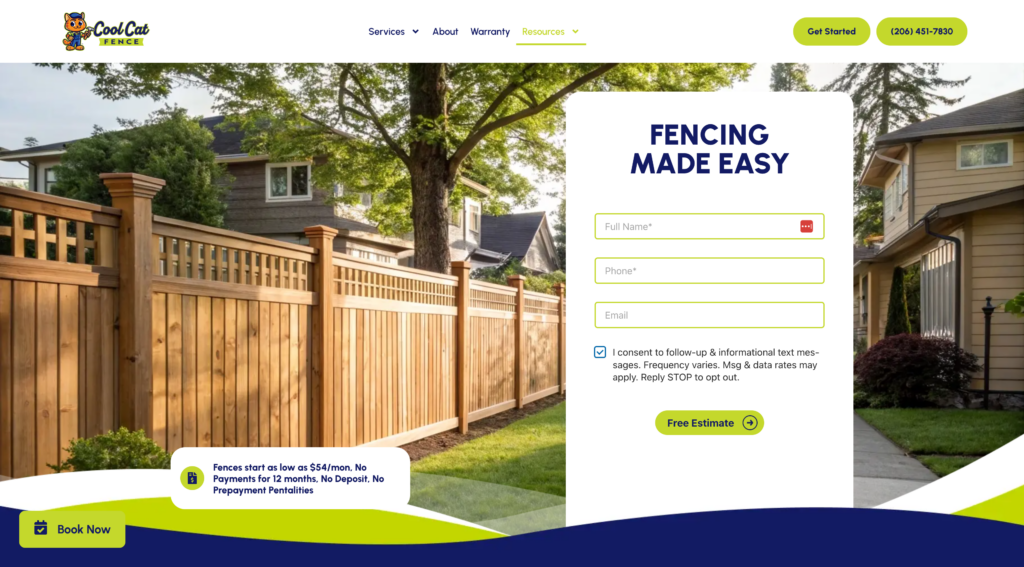
Good Web Design Connects Beauty With Purpose
The best web design does not choose between aesthetics and results. It combines both. It creates a polished brand experience while making every important page easier to use. It helps users trust the company, understand the services, and take the next step without confusion.
That takes more than visual talent. It takes strategy, clarity, and a willingness to build around real behavior. If a website looks beautiful but fails to convert, the answer is usually not more decoration. It is a clearer path.
For businesses reviewing their current site, that is the real question: not whether the website looks modern, but whether it helps people move forward.
FAQ
Why does beautiful website design still fail?
Because a clean layout and nice visuals do not automatically create clarity. A site can look expensive and still leave visitors with no real reason to stay or act.
What is a conversion path in web design?
It is the sequence that leads someone from first visit to meaningful action, whether that means filling out a form, asking for pricing, or contacting the business.
Do web designers handle conversion strategy?
Some definitely do. Others stay mostly focused on appearance. In general, the stronger web designers are thinking about structure, user decisions, and business outcomes at the same time.
Can a website builder create a high-converting site?
Sometimes, yes. A WordPress website can convert well, and WordPress remains one of the most common platforms online. But many businesses outgrow that setup once they need pages that do more than look neat. That is usually where custom thinking, cleaner development, and stronger SEO structure start to matter more than a basic builder.
How does SEO connect to website design?
SEO gets the user to the page. Design decides what happens next. If the page is confusing or weak once they arrive, search visibility alone will not help much.
Why do users leave a site quickly?
Usually because the site makes the first few seconds harder than they should be. It may be unclear, overloaded, too slow, or simply lack direction.
Should every page have a call to action?
In most cases, yes. Users should not finish a page and still have to guess what the next step is supposed to be.
When should a business redesign its website?
Usually when the site stops supporting the business properly, whether that shows up in branding, poor conversion, weak mobile performance, or low search visibility.
Contact iTishniki

Ник Курков — владелец iТишники
6 лет опыта в разработке веб-сайтов и улучшении SEO для компаний, добившихся значительного роста.