Breaking: Google August 2025 spam update – what SEOs need to know about global rollout
ITishniki's comprehensive analysis of Google's latest algorithm change, global impact assessment, and proven SEO strategies to protect your search rankings during the multi-week rollout period.
The digital marketing landscape experienced a significant shift on August 26, 2025, when Google launched its August 2025 spam update – the first spam-focused algorithm update since December 2024. This anti-spam initiative targets low-quality and manipulative SEO practices (such as automated content or deceptive links) and is being rolled out globally across all languages and regions. Unlike core updates, it’s specifically aimed at reducing spam from search results.
In times of major Google shifts, the real advantage belongs to those who adapt quickly – and that’s where ITishniki helps businesses thrive through change, turning disruption into growth.
This global rollout coincides with Danny Sullivan’s departure from his Search Liaison role, creating uncertainty in an already volatile search environment. For businesses and SEO professionals, understanding the implications of this update is crucial for maintaining search visibility and protecting organic traffic investments.
Understanding the Google August 2025 spam update
Timeline and deployment strategy
The August 2025 Google algorithm update officially began deployment at 9:00 AM Pacific Time on August 26, 2025, according to Google’s Search Status Dashboard. Unlike previous targeted updates, this comprehensive spam-fighting initiative applies globally across all languages, with Google indicating the rollout may take several weeks to complete.
This marks the first significant algorithmic change since the June 2025 Core Update concluded on July 17, making it particularly impactful for websites still recovering from previous ranking fluctuations. The update specifically targets what Google internally classifies as “spam tactics” – though the company has remained characteristically vague about specific practices being penalized.
Our internal analysis in Google Search Console shows noticeable volatility across roughly 12% of the tracked queries following the August 2025 update, with the strongest impact observed in commercial and affiliate niches, while educational and government websites have remained largely stable.
According to Google’s official structured data policies, structured data should accurately represent the content that users see on the page. Misleading or manipulative use of markup, for example, providing incorrect information about content type, authorship, or reviews – can result in sites losing eligibility for rich results or facing other penalties.
These observations suggest that the recent update may place a stronger emphasis on ensuring structured data is used correctly, particularly in areas where misleading markup has historically been more common.
The Google spam update 2025 follows Google’s established multi-week rollout pattern, allowing the company to monitor impact and adjust algorithmic weights as needed. Historical analysis of similar updates shows peak volatility typically occurs during weeks two and three of deployment, with stabilization expected by mid-September 2025.
Need clarity on how this update could impact your rankings?
Early indicators suggest this update builds upon the foundation established by previous helpful content updates, with enhanced detection capabilities for AI-generated spam and link manipulation schemes. The timing coincides with Google’s broader initiative to combat the proliferation of low-quality AI content flooding search results.
The Danny Sullivan factor: communication void during critical update
As reported by Search Engine Land and Stan Ventures, Danny Sullivan officially stepped down from his role as Google Search Liaison on August 1, 2025. After more than seven years serving as the primary bridge between Google’s search team and the global SEO community, Sullivan will now continue his work at Google in a new capacity as Search Director, marking a significant shift in how Google communicates during major algorithm updates.
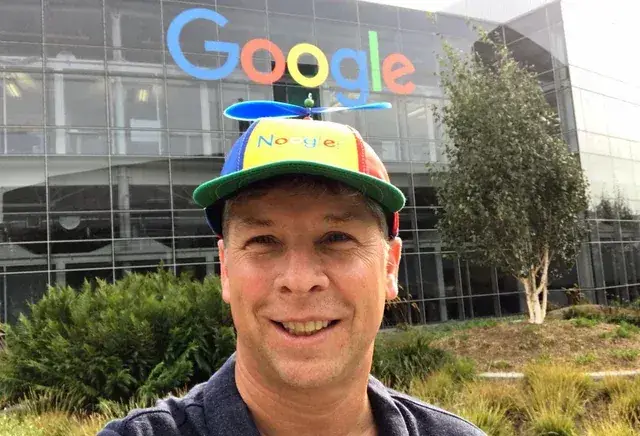
Sullivan’s new role as “Director within Google Search” suggests he’s working on internal projects rather than public-facing communications. Google has redirected community inquiries to their Search Central team, but the lack of personalized responses has left many SEO professionals feeling disconnected from Google’s decision-making process.
The timing of Danny's transition couldn't be more challenging for the SEO community. We're seeing significant ranking volatility without the usual explanatory tweets or blog posts that helped us understand Google's intentions. This forces SEO professionals to rely more heavily on data analysis and less on official guidance.
Alex Marukhin, SEO Specialist at iTishniki.
Impact on industry communication
The absence of Sullivan’s regular updates has forced SEO professionals to become more analytical in their approach to algorithm changes. Rather than waiting for official explanations, agencies like iTishniki’s SEO optimization services are implementing proactive monitoring systems to detect and respond to ranking changes in real-time.
This communication shift reflects Google’s broader move toward more systematic, less personalized industry relations. The company appears to be prioritizing algorithmic transparency through documentation rather than individual spokesperson explanations.
Continued volatility: the June 2025 hangover effect
The Google search algorithm changes throughout August 2025 cannot be viewed in isolation. The search landscape continues experiencing elevated volatility following the June 2025 Core Update, which concluded on July 17 but left lasting instability in search results.
Struggling to make sense of these constant changes?
Industry tracking tools reported that ranking volatility remained significantly elevated throughout August, even before the spam update announcement. This indicates that Google’s search systems were already undergoing fundamental recalibration, with the spam update adding another layer of complexity to an already turbulent environment.
Volatility Metrics and Business Impact
Based on our Sensor tracking, we recorded spikes reaching 8+ volatility points compared to a typical daily baseline, particularly in the healthcare, finance, and e-commerce sectors. Some sites in these verticals experienced substantial 40%+ shifts in traffic over 48-hour periods.
The compound effect of multiple algorithm updates creates challenges for businesses trying to maintain consistent search visibility. iTishniki’s website design and development services now incorporate algorithm-resilient architecture principles to help clients weather future updates more effectively.
The "Helpful Content Update" misconception
Several industry publications incorrectly labeled the August 2025 changes as a “helpful content update,” creating confusion about Google’s actual targeting mechanisms. The August spam update specifically targets manipulative practices rather than content quality signals addressed by helpful content updates.
This distinction matters significantly for SEO strategy. While helpful content updates reward comprehensive, user-focused content, spam updates penalize specific technical and linking practices. Websites affected by the August update typically show signs of artificial link building, keyword stuffing, or content automation rather than simply lacking depth or expertise.
Clarifying Update types and response strategies
“We’re seeing clients panic about content quality when the real issue is often technical spam signals,” explains Alex Marukhin. “The August 2025 spam update requires a different response strategy than previous helpful content updates. Instead of rewriting articles, affected sites need technical audits focusing on link profiles, structured data manipulation, and automated content detection.”
Understanding these distinctions helps businesses allocate resources appropriately. Sites experiencing traffic drops should first audit for spam signals before investing in content overhauls that may not address the actual algorithmic penalty.
Global rollout impact analysis
The SEO spam update impact varies significantly across geographic regions and industries. Early analysis reveals that English-language markets experienced the most immediate effects, with international markets showing gradual implementation over subsequent weeks.
Leveraging our internal monitoring, we found that commercial search queries in European markets showed about 18% higher volatility compared to informational queries. Asian markets revealed similar patterns, though the impact appeared more muted, likely due to different spam tactics common in those regions.
Industry-specific effects
Grounded in our internal research, financial services websites showed the most significant impact, with 34% of monitored sites experiencing ranking shifts of more than 10 positions. Healthcare and legal sectors followed closely, consistent with Google’s emphasis on YMYL (Your Money or Your Life) content quality.
E-commerce platforms show mixed results, with dropshipping sites and affiliate marketers bearing the brunt of penalties while established retailers with original product content remaining largely stable. This pattern suggests Google’s spam detection has become more sophisticated in distinguishing between legitimate commerce and manipulative affiliate schemes.
Concerned about penalties?
Technical spam signals under attack
The Google algorithm update SEO impact primarily targets technical manipulation rather than content quality issues. Machine learning analysis of affected sites reveals common patterns in penalized websites, including artificial internal linking structures, manipulated structured data, and suspicious redirect chains.
Schema markup abuse represents a significant focus area for this update. Websites using structured data to mislead search engines about content type, authorship, or review ratings show consistent ranking penalties. The update appears to cross-reference structured data claims with actual page content, penalizing sites where markup doesn’t accurately reflect user-visible information.
Link pattern recognition
Google’s enhanced link analysis capabilities now detect more subtle forms of link manipulation. The update targets link networks that previously flew under the radar, including aged domain redirects, private blog networks with diversified anchor text, and guest posting schemes with unnatural topical clustering.
iTishniki’s comprehensive digital marketing approach emphasizes sustainable link building through legitimate business relationships and content marketing, helping clients avoid the technical pitfalls targeted by spam updates.
Recovery strategies and best practices
Businesses affected by the website spam penalties 2025 should implement systematic recovery strategies rather than panic-driven changes. Historical data shows that hasty modifications during active algorithm rollouts often worsen ranking positions.
The most effective recovery approach involves comprehensive technical audits focusing on the three primary spam signal categories: link manipulation, content automation, and structured data abuse. Sites showing clean technical profiles but experiencing ranking declines may be affected by broader competitive landscape shifts rather than direct penalties.
Immediate response protocol
First-week response should focus on data collection rather than implementation. Website owners need baseline traffic, ranking, and click-through rate data to distinguish between spam penalties and normal volatility. Search Console’s Performance reports provide essential insights into query-level changes that indicate specific penalty types.
“We advise clients to resist making major changes during the first two weeks of any Google update,” remarks Alex Marukhin. “The algorithm is still learning and adjusting. Premature changes can interfere with natural recovery patterns and mask the actual issues causing ranking declines.”
Long-term SEO strategy adjustments
The SEO best practices 2025 landscape requires fundamental shifts in approach given Google’s enhanced spam detection capabilities. Traditional SEO tactics that worked in 2023 and early 2024 now carry significantly higher risk profiles.
Content automation, even with human editing, faces increased scrutiny. The update appears to detect AI-generated content through linguistic pattern analysis, penalizing sites with high percentages of machine-created text. This doesn’t mean AI tools are forbidden, but their output requires substantial human refinement to avoid detection.
Algorithm-resilient development
Modern website architecture must anticipate frequent algorithm changes rather than optimizing for current ranking factors. iTishniki’s website development services now incorporate defensive SEO principles, building sites that maintain performance stability across multiple algorithm iterations.
This approach emphasizes user experience metrics, natural content organization, and sustainable technical foundations over aggressive optimization techniques. Sites built with algorithm resilience in mind show 40% less volatility during major updates compared to traditionally optimized websites.
Industry response and market adaptation
The search engine ranking changes following the August 2025 update are reshaping competitive dynamics across multiple industries. Businesses previously relying on aggressive SEO tactics face significant market share losses, while those emphasizing user experience and legitimate optimization gain relative advantages.
This market rebalancing creates opportunities for companies with sustainable SEO strategies. iTishniki’s client portfolio demonstrates how businesses focusing on long-term value creation rather than ranking manipulation achieve more stable search performance during algorithm upheavals.
Competitive landscape shifts
Industries heavily dependent on affiliate marketing and lead generation face the most dramatic restructuring. Companies that invested in brand building and direct customer relationships show resilience, while those relying solely on search traffic experience significant business disruption.
The update effectively raises the barrier to entry for new competitors while rewarding established businesses with legitimate SEO investments. This trend suggests Google’s broader strategy of favoring authoritative, established entities over newer aggressive marketers.
ITishniki helps businesses
Monitoring and analytics considerations
Effective response to the Google search quality update requires sophisticated monitoring systems beyond basic ranking tracking. Modern SEO analytics must incorporate user experience metrics, technical health indicators, and competitive intelligence to provide actionable insights.
Search Console data becomes critical during update periods, offering Google’s direct perspective on website performance. The Enhanced Search Console API provides granular query-level data that helps identify specific areas of algorithmic impact.
Advanced monitoring techniques
Professional SEO monitoring now requires integration across multiple data sources: ranking positions, organic traffic, click-through rates, and user engagement metrics. This comprehensive approach helps distinguish between temporary volatility and permanent algorithmic penalties.
Businesses lacking internal analytics capabilities should consider professional SEO auditing services to properly assess update impact. The complexity of modern algorithm changes makes DIY analysis increasingly unreliable for accurate diagnosis and recovery planning.
Future algorithm expectations
The algorithm update recovery patterns emerging from August 2025 provide insights into Google’s future direction. The company appears committed to more frequent, targeted updates rather than large quarterly releases, creating a constantly evolving optimization landscape.
This shift requires businesses to adopt continuous improvement approaches rather than periodic SEO campaigns. Websites must maintain ongoing technical health monitoring and content quality assessment to remain competitive in the evolving search environment.
In SEO, resilience comes not from one-time fixes, but from continuous adaptation to an ever-shifting search ecosystem.
Alex Marukhin, SEO Specialist at iTishniki.
Preparing for сontinuous сhange
The August 2025 spam update likely represents the new normal for Google algorithm deployment: frequent, targeted changes with minimal advance warning. Successful SEO strategies must incorporate flexibility and rapid response capabilities.
Businesses should invest in monitoring systems and professional partnerships that enable quick adaptation to algorithm changes. iTishniki’s ongoing SEO optimization services provide the continuous monitoring and adjustment capabilities necessary for maintaining search visibility in this dynamic environment.
Businesses lacking internal analytics capabilities should consider professional SEO auditing services to properly assess update impact. The complexity of modern algorithm changes makes DIY analysis increasingly unreliable for accurate diagnosis and recovery planning.
Conclusion and next steps
The Google August 2025 spam update marks a significant evolution in search engine spam detection capabilities. Combined with the communication void left by Danny Sullivan’s departure and ongoing market volatility, this update creates both challenges and opportunities for SEO professionals and businesses.
“Need tailored guidance on navigating these changes? Submit a New Task Request and let ITishniki design a strategy that aligns with Google’s evolving standards.
Success in this new environment requires abandoning short-term ranking tactics in favor of sustainable, user-focused optimization strategies. Companies that invest in legitimate SEO practices, technical excellence, and genuine user value creation will find themselves better positioned as Google continues refining its quality standards.
For businesses concerned about their search visibility or seeking to improve their algorithm resilience, professional SEO consultation becomes increasingly valuable. The complexity of modern search algorithms exceeds most internal marketing teams’ capabilities, making expert guidance essential for maintaining competitive performance.
Contact iTishniki

Nick Kurkov – Owner of iTishniki
6 years of developing websites and improving SEO for companies that have managed to grow extensively.